About the service
A growing demand for adaptable layouts that can accommodate changing needs. This might include modular movable partitions. Sustainability is alsokey trend in commercial interior design
Better Lead Generation
Clear layouts help buyers make faster decisions and move confidently toward enquiries.
Encourage Buyer Engagement
Properties with clear layouts keep buyers interested for longer and reduce confusion during browsing.
Help Buyers Visualise the Space
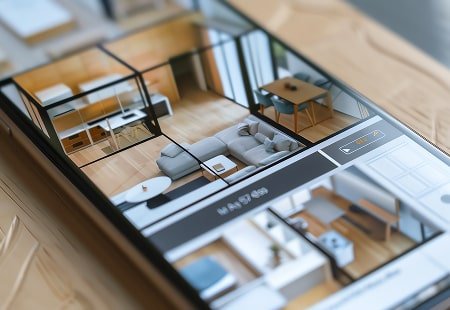
Accurate floor plans help buyers understand room sizes, the flow of the layout, and how spaces connect.
Increase Time Spent on Listings
Listings that include floor plans tend to hold attention longer and feel more informative.

Types of Commercial Spaces
In design, we bring characteristics of the natural world into built spaces, such as water, greenery, and natural light, or elements like wood and stone. Encouraging the use of natural systems and processes in design allows for exposure to nature, and in turn, these design approaches improve health and wellbeing. There are a number of possible benefits, including reduced heart rate variability and pulse rates, decreased blood pressure, and increased activity in our nervous systems, to name a few.
Key Elements of Interior Design
- We provide high quality design services.
- Project on time and Latest Design.
- Scientific Skills For getting a better result.
- Renovations Benefit of Service
- Flexible with any structure of the building
- Commitment to customer service
- Experienced, time-served engineers
- We are confident about our projects.
Frequently asked questions
Why include a floor plan in a property listing?
A floor plan helps buyers understand the layout quickly. It gives context to the photos and often leads to a stronger interest because buyers can see how the rooms connect.
What is the difference between a floor plan and a site plan?
A floor plan shows the inside layout of the property. A site plan shows the wider land area, including outdoor elements such as driveways, pools, gardens, or lot boundaries.
What types of floor plans do you offer?
We offer multiple formats, including 2D Black & White Floor Plans, 2D Textured Floor Plans, 3D Floor Plans, and combinations that include site plan elements.
What can I submit for a floor plan redraw?
You can submit builders’ plans, sketches, marked-up PDFs, hand-drawn layouts, or reference images. The clearer the reference, the more accurate the final floor plan will be.
Can you make the floor plan match our branding?
Yes. We can create custom templates that align with your agency or business branding for a more consistent presentation across listings.
How long do floor plans take?
Most standard floor plan redraws are completed within 24 hours. More detailed or 3D floor plan projects may require up to 48 hours.
Can changes be made after delivery?
Yes. Revisions can usually be made if the requested changes remain within the scope of the original project.